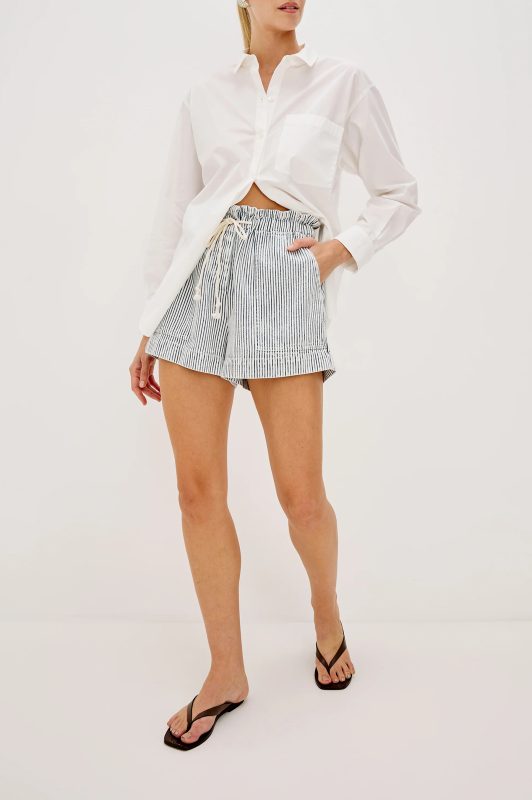
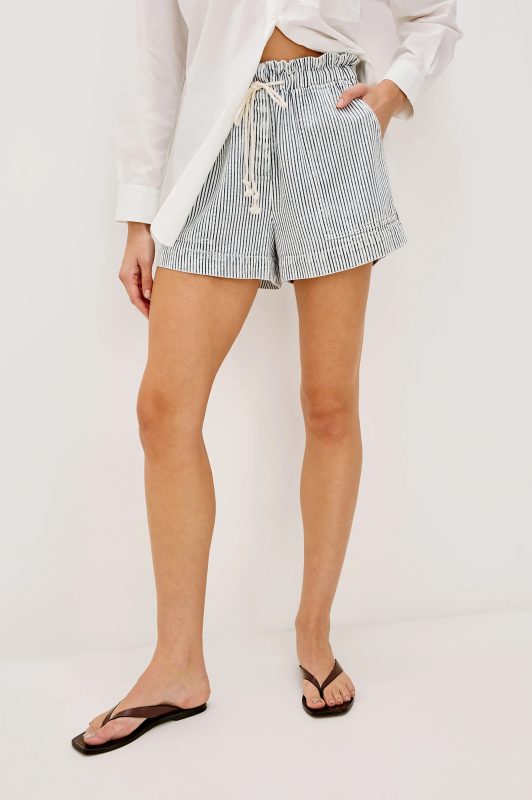
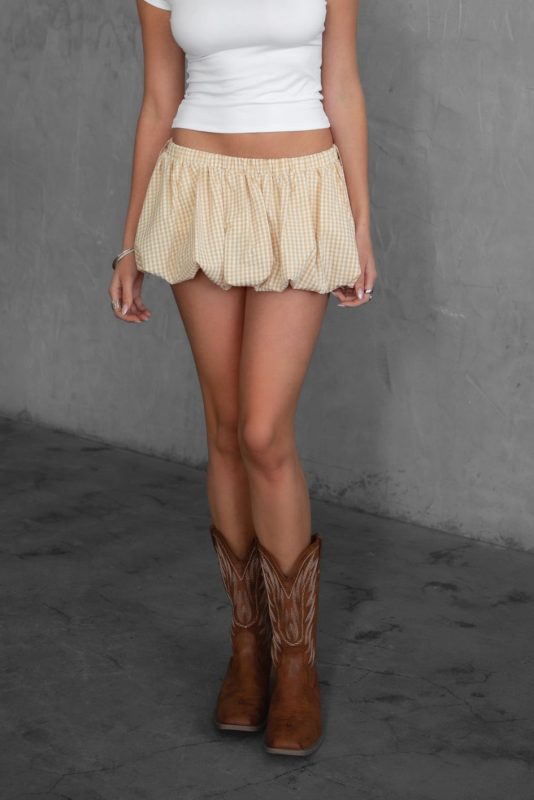
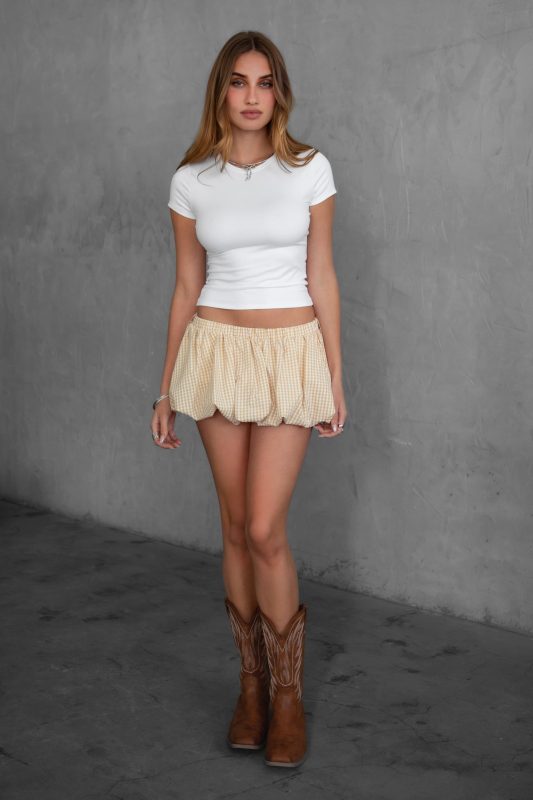
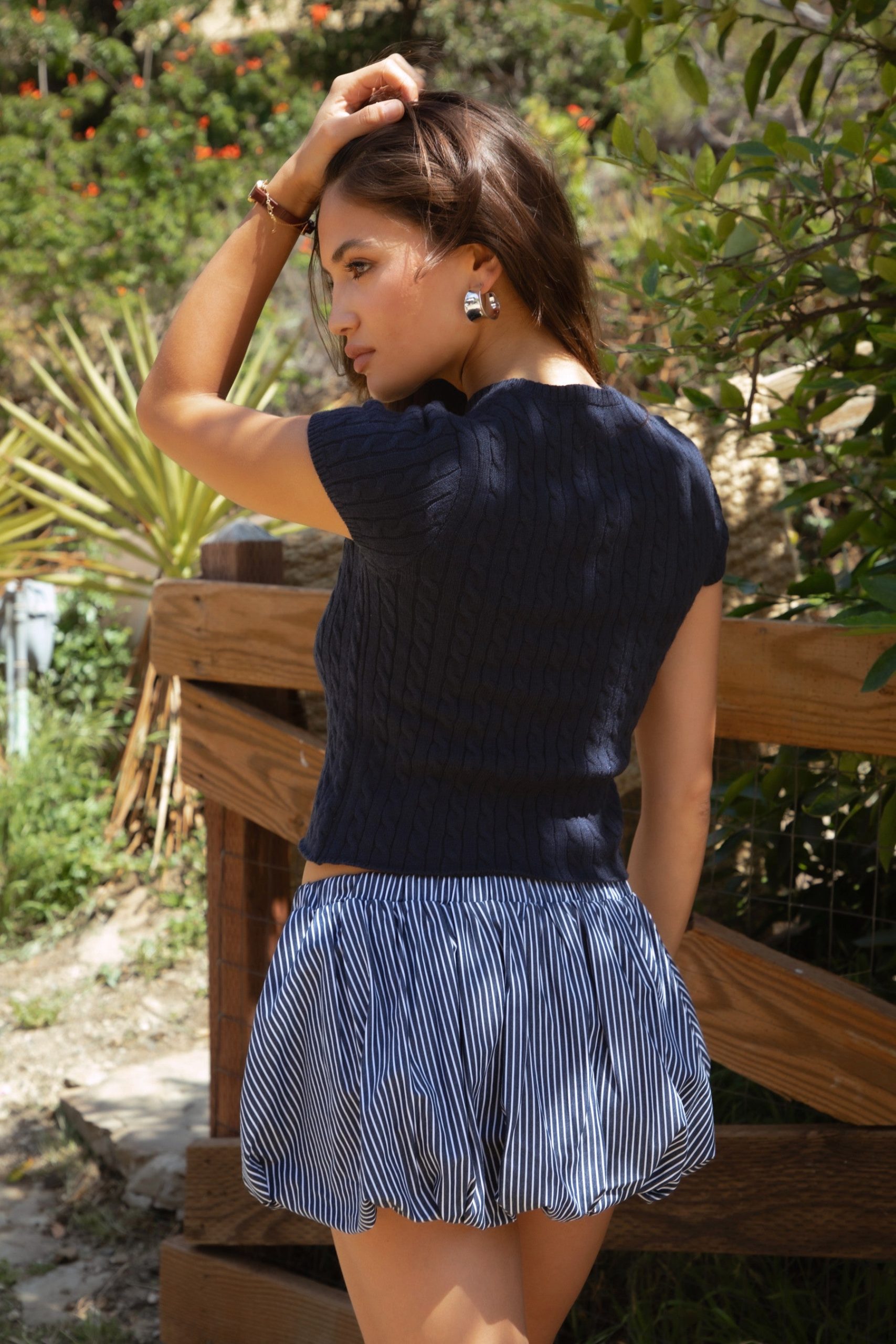
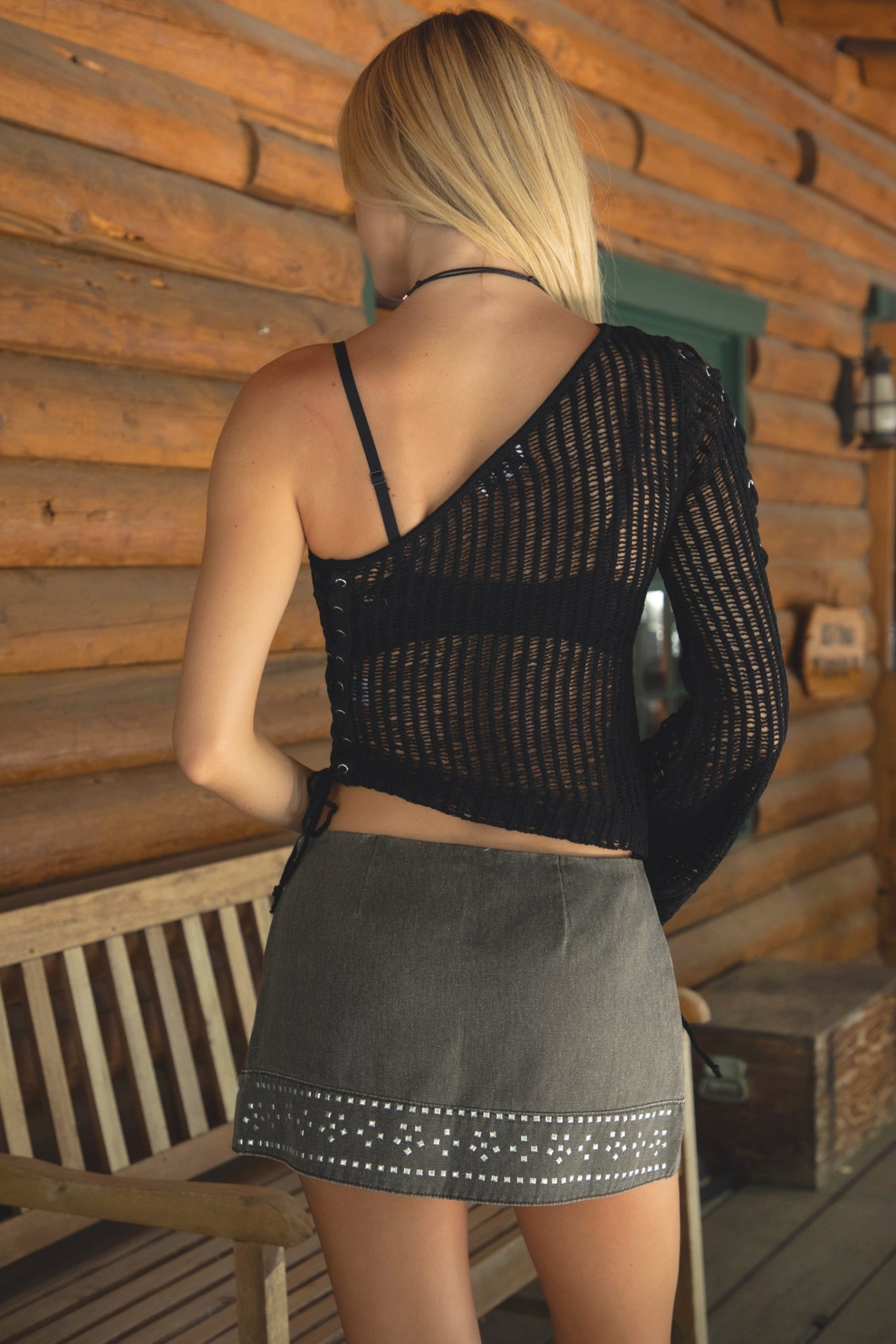
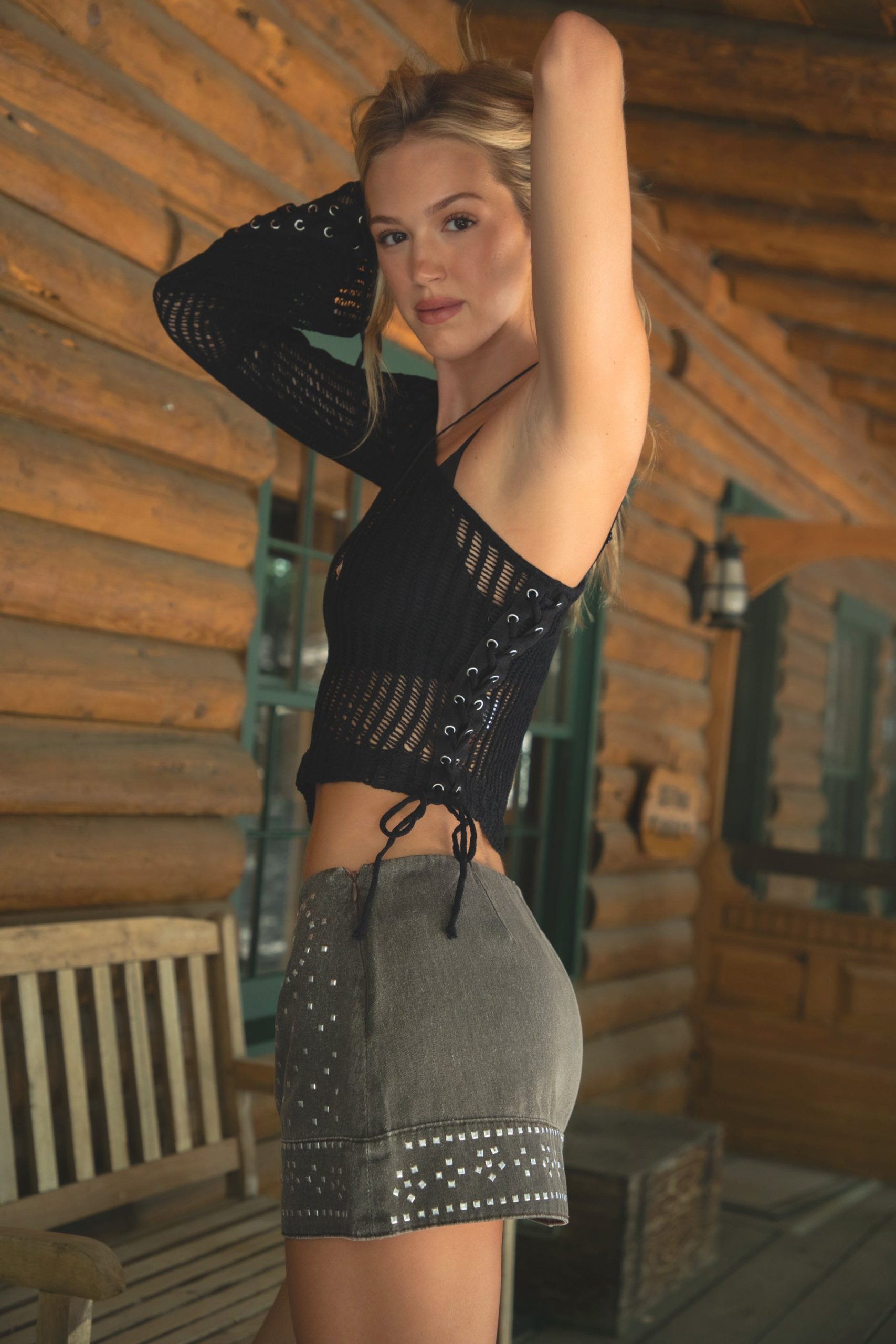
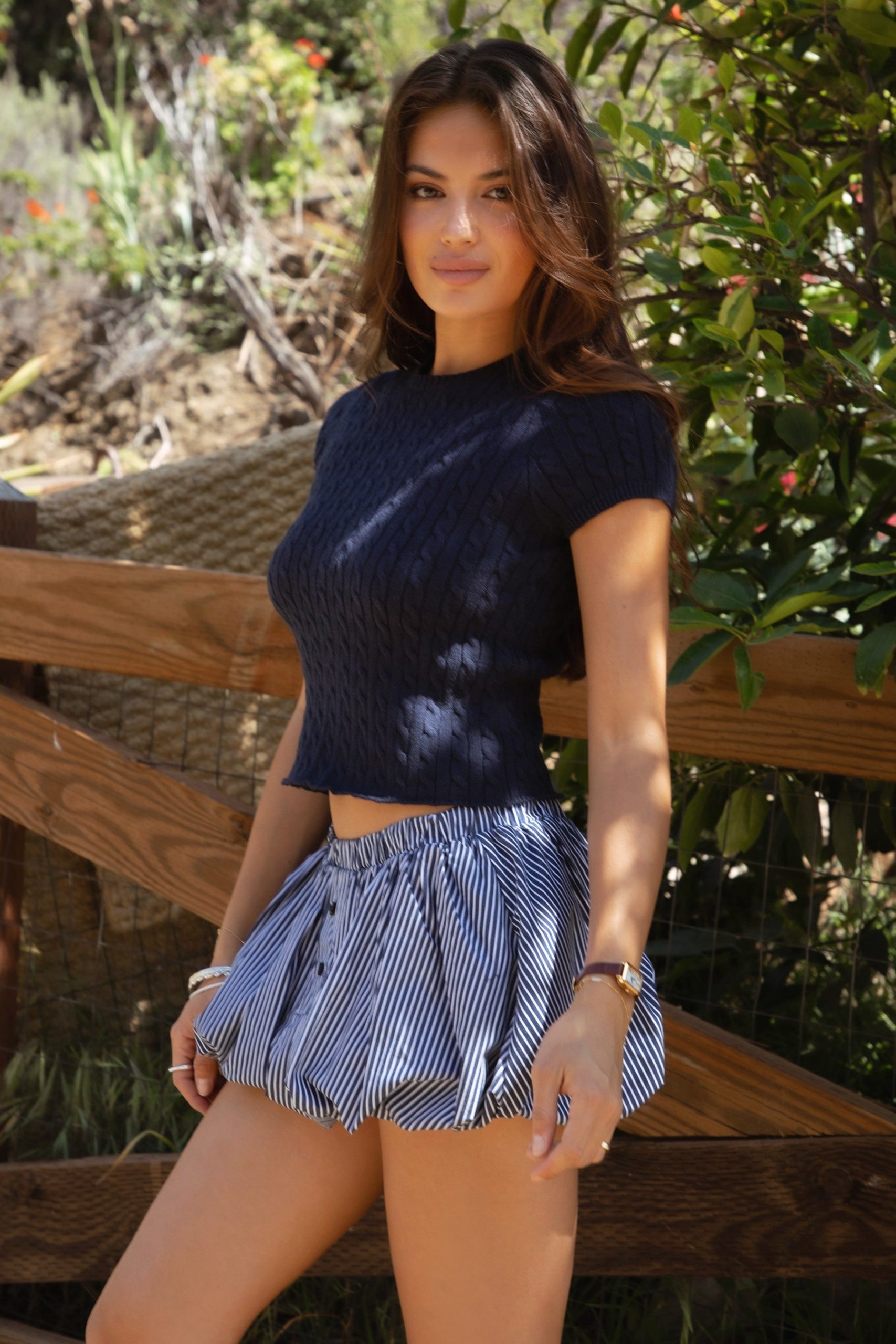
Find the fashion direction that feels most natural to you.
Personal style is less about following a category and more about noticing patterns in what you enjoy wearing. These six questions look at mood, silhouette, colour, fabric, accessories, and the outfits that make you feel most at ease.
READ / NOTICE / REMEMBER / COMPARE
HOW TO USE THIS PAGE
Read every question and simply remember the letter beside the answer that feels closest to you. When you reach the scoring section, identify the letter you chose most often and read the matching style profile. If two letters are equally frequent, both profiles can be useful references.
ATELIER WORKSHEET / 01
Six Questions About How You Like to Dress
There are no right answers. Choose the direction that feels easiest to imagine yourself wearing repeatedly.
01
DRESSING MOOD
Which dressing mood feels most like you?
A
Calm, precise, and polished with very little visual noise.
B
Soft, expressive, and feminine with graceful movement.
C
Relaxed, grounded, and effortless with tactile natural texture.
D
Creative, distinctive, and slightly unexpected with a strong point of view.
02
SILHOUETTE
Which silhouette do you reach for most naturally?
A
Straight lines, clean tailoring, and controlled proportions.
B
Defined waists, fluid skirts, soft sleeves, and graceful drape.
C
Loose shirts, easy trousers, longer layers, and room to move.
D
Sculptural volume, unusual balance, and one deliberately strong shape.
03
COLOUR DIRECTION
Which colour approach feels easiest to build a wardrobe around?
A
White, navy, charcoal, stone, and restrained tonal combinations.
B
Rose, berry, cream, soft blue, and gently romantic colour pairings.
C
Moss, oat, clay, faded denim, warm grey, and natural neutrals.
D
Strong contrast, unexpected accents, graphic colour, and unusual combinations.
04
FABRIC
Which fabric would you most enjoy wearing again and again?
A
Smooth wool, crisp cotton, fine knit, and structured twill.
B
Silky woven fabric, soft ribbing, lace-like texture, and fluid cloth.
C
Linen, brushed cotton, soft denim, textured wool, and washed fabric.
D
Pleating, sculptural cloth, polished surfaces, bold weave, and mixed texture.
05
ACCESSORIES
How do accessories usually fit into your outfit?
A
One refined bag, simple jewellery, and clean shoes are enough.
B
I like delicate jewellery, softer bags, scarves, and graceful detail.
C
I prefer practical leather, woven texture, comfortable shoes, and minimal fuss.
D
I enjoy one memorable accessory that changes the entire outfit.
06
CONFIDENCE
Which outfit is most likely to make you feel completely yourself?
A
A tailored jacket, fine top, straight trousers, and polished flats.
B
A fluid midi dress or skirt with a soft blouse and elegant shoes.
C
Relaxed trousers, a natural-fibre shirt, textured knit, and easy footwear.
D
A strong statement layer balanced by simple pieces and one artistic detail.
SELF-SCORING / 02
Which Letter Appeared Most Often?
Count the letter you remembered for each of the six questions. Your most frequent letter points to the style profile that may feel most instinctive. A close second result can reveal another side of your wardrobe, so there is no need to force yourself into only one direction.
A
B
C
D
STYLE SPECTRUM / 03
Four Ways of Building Personal Style
Each profile offers a different wardrobe logic. Use the one that matches your answers as a starting point rather than a fixed rule.
A
The Modern Minimalist
You are drawn to clarity, proportion, and pieces that feel resolved without excess. Your wardrobe works best when every line has a purpose and quality is visible through cut, fabric, and restraint.
RECOMMENDED SILHOUETTES
Straight trousers, long clean coats, precise blazers, column dresses, compact knits, and crisp shirts.
SUGGESTED FABRICS
Fine wool, poplin, smooth twill, compact knit, clean denim, and matte woven fabric.
COLOUR PALETTE
White, charcoal, navy, stone, cool grey, and one restrained accent colour.
KEY WARDROBE PIECES
Tailored blazer, straight trousers, crisp shirt, long coat, refined flats, and a structured everyday bag.
STYLING PRINCIPLE
Let proportion do the work. Remove one unnecessary detail before adding another.
B
The Romantic Muse
You respond to softness, movement, and expressive detail. Your strongest outfits feel feminine without becoming precious, combining graceful silhouettes with enough structure to stay modern.
RECOMMENDED SILHOUETTES
Fluid midi skirts, softly defined waists, draped blouses, graceful dresses, fitted cardigans, and light outer layers.
SUGGESTED FABRICS
Soft satin, fine rib, fluid twill, airy cotton, delicate texture, and lightweight woven cloth.
COLOUR PALETTE
Berry, rose, cream, pale blue, muted red, soft green, and gentle tonal combinations.
KEY WARDROBE PIECES
Midi skirt, expressive blouse, soft cardigan, versatile dress, delicate flats, and a small structured bag.
STYLING PRINCIPLE
Balance softness with one defined element, such as a clear waist, tailored shoulder, or structured shoe.
C
The Relaxed Naturalist
Comfort, texture, and ease guide your wardrobe. You prefer clothing that moves naturally, feels tactile, and looks better when it is slightly relaxed rather than overly controlled.
Linen shirt, relaxed trousers, textured cardigan, soft denim, lightweight jacket, practical flats, and a woven bag.
STYLING PRINCIPLE
Use texture to create depth, and keep enough space in the silhouette for the fabric to move naturally.
D
The Bold Curator
You treat clothing as a visual composition. You enjoy contrast, unexpected shape, and deliberate details, but your strongest looks still have a clear hierarchy rather than competing for attention.
Personal style is rarely discovered in a single moment. It is built slowly, through attention: noticing which shapes make you stand differently, which colors quiet the noise, and which clothes help you feel most like yourself. The strongest wardrobe is not a costume. It is a language you already know how to speak.
01
Shape Before Trend
Begin with the silhouettes you instinctively trust.
Before thinking about what is current, pay attention to what repeatedly earns a place in your week. Perhaps you like a jacket that creates a clear shoulder, a trouser that falls away from the leg, or a dress that follows the body without closely tracing it. These preferences are not limitations. They are useful information.
Personal style becomes easier when you stop treating every new silhouette as an obligation. Instead, identify the proportions that make you feel composed. A familiar shape can be adjusted through fabric, length, layering, or color without losing the quality that made it work in the first place.
02
A Color Language
Build a palette that makes getting dressed feel intuitive.
A useful wardrobe does not require strict color rules, but it benefits from a recognizable rhythm. Most women naturally return to a small group of shades that make other decisions easier. These may be cool neutrals, softened earth tones, inky darks, faded blues, warm creams, or a single saturated color that consistently feels right.
Think less about creating a perfectly coordinated palette and more about building a reliable visual vocabulary. When most pieces can speak to one another, a strong outfit requires less effort. Accent colors can then become expressive rather than difficult, appearing in a knit, a scarf, a shoe, or a small detail rather than demanding the entire look.
“
Style becomes clearer when clothes stop asking you to become someone else.
03
Ease with Definition
Comfort works best when it still has a point of view.
Comfort is essential, but comfort does not have to mean softness everywhere. Often, the most satisfying outfit combines ease with one element of definition: a relaxed knit with tailored trousers, a fluid skirt with a crisp shirt, or loose denim beneath a structured coat.
This balance gives clothes shape without making the wearer feel managed by them. If every element is rigid, an outfit can become demanding. If everything is oversized or unstructured, it may lose the sense of intention you were looking for. The useful middle ground is personal. Some women want structure at the shoulder; others prefer it at the waist, through a shoe, or in the clean line of a bag.
The question is not whether an outfit is formally polished. It is whether the combination supports your body, your movement, and the way you want to enter a room.
04
Fabric and Reality
Choose materials for the life you actually live.
Fabric determines far more than appearance. It changes how a garment moves, how often you reach for it, how carefully it must be handled, and how comfortable it remains after several hours. A beautiful piece that constantly requires adjustment may have less value in daily life than a quieter one that reliably performs.
Consider the practical character of a material. Do you need breathable fabrics for long days? Knits that recover after sitting? Shirts that retain some crispness without feeling severe? Outer layers that work across changing temperatures? A wardrobe becomes more personal when material choices reflect real routines rather than imagined occasions.
“
A good wardrobe remembers your habits.
05
The Value of Repetition
Repeat what works, then change one thing.
Women with distinct personal style often repeat more than they reinvent. They understand the combinations that reliably make them feel good and use those formulas as foundations: a fine knit with a midi skirt, a shirt tucked into relaxed trousers, a long coat over a simple column, or a jacket worn with denim and a clean shoe.
Repetition creates freedom because it removes unnecessary decisions. The interest comes from small shifts. Change the texture, alter the proportion, introduce a different color, roll the sleeve, replace a flat shoe with a low heel, or exchange a structured bag for something softer. The foundation remains familiar while the mood changes.
Accessories are most effective when they complete this logic rather than distract from it. A belt can clarify proportion. Earrings can bring light near the face. A scarf can introduce color where the wardrobe is otherwise quiet. A bag can add structure to soft clothing. The aim is not to decorate every outfit, but to identify where a detail actually contributes.
Working Principles
A wardrobe that behaves like your own.
Personal style becomes stronger when practical choices and aesthetic instincts begin to support one another.
Notice what you repeat. The pieces you reach for without negotiation often reveal more about your style than the pieces you admire from a distance.
Keep proportions intentional. When one element is loose, decide whether another needs definition. When one piece is long, consider how the rest of the outfit supports that length.
Let color do useful work. Build around shades that combine easily, then reserve stronger tones for moments when you want focus or contrast.
Respect your routine. Choose clothes for the places you actually go, the weather you actually experience, and the amount of maintenance you genuinely enjoy.
Use accessories selectively. Add a detail because it improves proportion, texture, color, or mood, not because an outfit feels incomplete without decoration.
Leave room for change. Personal style should evolve with your life. Consistency is useful; rigidity is not.
Recently viewed pieces often reveal the beginning of a wardrobe direction. This styling desk keeps those choices visible, then places six complementary ideas around them to explore different proportions, textures, and finishing details.
DISCOVERY NOTE
Revisit what caught your attention, then notice what could change the way it works.
ARCHIVE / LEFT EDGE
Recently Viewed
A SHORT RECORD OF PIECES ALREADY EXPLORED
RV-01
TAILORING
Slate Double-Breasted Blazer
Graphite Navy
$142
RV-02
KNITWEAR
Cloud Fine-Knit Crew
Chalk Grey
$72
RV-03
DRESS
Ink Pleated Column Dress
Soft Ink
$128
RV-04
TROUSERS
Stone Straight-Leg Trouser
Concrete Grey
$96
OUTFIT CONSTELLATION / RIGHT FIELD
You May Also Like
Six pieces selected for the shapes, textures, and finishing points they can introduce to the recently viewed wardrobe.
R-01X06 / Y03 / STATEMENT
Gallery Pleated Midi Skirt
Skirt / Graphite
$88
Its moving line softens the recently viewed blazer and fine knit, creating a more fluid alternative to straight trousers.
R-02X02 / Y02
Axis Leather Loafers
Shoes / Polished Black
$118
A defined shoe gives the pleated dress, straight trousers, and softer knit a precise finishing point without adding visual weight.
R-03X10 / Y02
Frame Top-Handle Bag
Structured Bag / Quiet Black
$154
Its compact geometry echoes the blazer tailoring and brings structure to softer combinations built around the dress or knit.
R-04X02 / Y05
White Line Blouse
Blouse / Crisp White
$82
A clean white layer brightens the dark dress and tailoring while giving the recently viewed trousers a lighter, more relaxed direction.
R-05X11 / Y05
Studio Lightweight Trench
Outerwear / Deep Charcoal
$168
The longer outer line works over both the blazer and dress, extending the wardrobe into cooler and transitional weather.
R-06X06 / Y07
Contour Ribbed Knit
Knitwear / Mineral Grey
$78
Its close line fits cleanly beneath the blazer and trench, balancing the volume of the pleated skirt and straight trouser.
EDITOR CONNECTION
The recommendations create contrast rather than duplication: fluid against tailored, structured against soft, long against cropped, and one precise accessory against a quieter clothing base.